 teachoice
TeaSugar: Clean Energy for the Whole Family
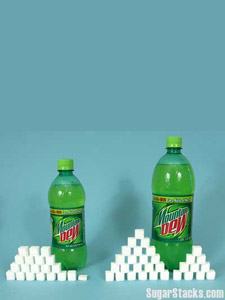
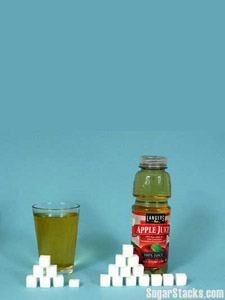
Many health care professionals have expressed concern about the amount of sugar children (and adults!) consume each day. As a result, you may encounter an increased demand for tasty beverages that are also healthy and sugar-free. As Back-to-School season is upon us, consider tea as a sugar-free alternative for kids and parents needing hydration, focus, and clean energy.
Consider these facts:
- Several studies show that both children and adults get a significant percentage of their daily calories through the consumption of sugar-sweetened beverages. A recent study showed that Canadians get 21% of their daily calories through sugar consumption and that beverages are a major source of sugar for many people.
- Many scientists and health care professionals believe that the over-consumption of sugar contributes significantly to health problems, including tooth decay and obesity.
- There is significant concern about the safety of some sugar substitutes.
- Fruit juice, while often containing important nutrients, can also be high in sugar.
Restaurants, cafes and other food service vendors can offer children and families healthy alternatives to sugar-laden beverages in the form of unsweetened teas and tisanes (herbal teas), which offer several advantages over sugary bottled and powdered beverages:
- Calories and sugar: Unsweetened teas and tisanes contain very few calories and little to no sugar.
- No sugar necessary: Many people find that flavored teas and tisanes, particularly those made with rooibos, honeybush, hibiscus or dried fruit, are naturally sweet and don’t need any additional sweeteners. In addition, hibiscus is a natural source of vitamin c and honeybush and rooibos are both good sources of antioxidants.
- Consumer choice: Some customers do prefer a sweeter beverage and these folks have the option of adding the type and amount of sweetener that suits them, and their children, best.
- Freshness: Many customers prefer the flavor of freshly brewed tea over pre-mixed or bottled beverages. Freshly brewed tea may also contain more beneficial antioxidants than pre-made or instant varieties.
Special concerns for parents:
Parents of young children may have specific concerns about serving teas and tisanes to their kids. For example, some may be reluctant to give their child a caffeinated beverage. While tea does contain caffeine, many tisanes are completely caffeine-free, including rooibos, honeybush and fruit tisanes, all of which are very popular with kids.
Another typical concern is whether a flavored tea will trigger allergies. Most of Adagio's flavored teas and tisanes are generally safe for allergy sufferers, although this may not be true for other brands. This is because Adagio uses natural-identical flavors, which do not contain common allergens such as nuts, gluten or dairy.Here are some ideas for serving healthy teas and tisanes:
- Offer unsweetened samples of flavored teas and tisanes to customers. People may be wary of paying for something that they haven't tried yet or may automatically assume that a tea needs added sweetener. By giving them a sample, you can show customers how delicious an unsweetened tea or tisane can be while still giving them the option of adding sugar, honey or other sweeteners to a purchased beverage.
- Try adding carbonated water to an iced tea concentrate for a tasty, sugar-free soda substitute. The concentrate is easy: Just double the amount of dry leaf that you would normally use to make hot tea, and then pour the double-strength tea over ice. Top with carbonated water and serve.
- In the winter months, offer customers low-calorie "hot chocolate" by adding a small amount of dairy, soy or nut milk to a hot cup of chocolate rooibos or honeybush. If the customer wants a sweeter beverage, add a touch of honey. Thanks to www.sugarstacks.com for the useful imagery!