 teachoice
A Little Bit of Tea Know-How
A little bit of tea knowledge could go a long way towards boosting sales. In this, the Year of the Dragon, success for new endeavors is all but guaranteed, according to Chinese astrologists. This year is also the Water Dragon; does this bode well for tea in 2012? I think so! Here are some basic tips to kickstart your tea program. The stars are aligned, and we're here to support you, so start steeping!
Get yourself some tea know-how.
Incentivize staff education or choose someone enthusiastic about tea to be a point person for the team. It only takes a little knowledge to know more about tea than many folks out there, and this knowledge can be easily translated into greater tea sales. Having a few talking points to speak eloquently and confidently about your menu is a simple way to boost your tea program and your customers will thank you. Give them something to remember you by! Tea info is plentiful online, check out sites like TeaClass.com to give your staff the tools and resources to upsell the specialty teas on your menu. Request tasting notes and points of differentiation from your supplier. Many will provide samples at little or no cost to support your endeavor. There is no simpler way to understand the muscatel or astringent notes of a Darjeeling than by sipping it alongside an earthy and peppery Golden Yunnan.
Use proper equipment.
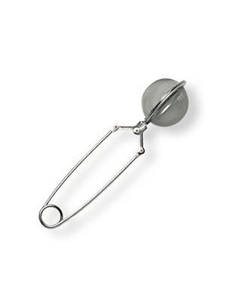
Use teaware for steeping that allows the tea to do its thing. Whole leaf teas (side point: use whole leaf teas, don't settle for less) require ample room to expand and unfurl as they infuse the water with their flavor. Cramped quarters like the common stainless mesh ball will get you lukewarm results at best. If you already enjoy your teas by this method, I invite you to take it up a notch and taste the improvement! Flowers, honey, stone fruit, pepper, cocoa, butter, roasted nuts; a world of flavor awaits. Teaware is readily available in all sorts of shapes, sizes, and price ranges. Stock this simple ceramic pot for $5.99 or this ingenious brewer, for $9.99. Cast Iron pots add a traditional Asian flare. They're also durable and functional and make a great pot of tea by keeping water hotter for longer. Ceramic or glass, cast iron or Yixing, gaiwan or kyusu, teaware is an important aspect of tea's enjoyment!
Keep your equipment clean.
Keep your tea and steepware in a clean dry space. Avoid storing on top of espresso machines (warm and cozy as it is up there) or anywhere coffee and milk steam could rise and settle- this will noticeably taint any tea brewed in them. If you are able, keeping separate steepware for flavored and unflavored tea is ideal. The Parisian tea dynasty Mariage Freres makes a beautiful tea called Marco Polo, and while this strawberry tinged treat makes a delectable cup, it will absolutely ruin the buttery Gyokuro unfortunate enough to be served in the same pot later on. To clean teapots and cups, a good overnight soak in hot water with baking soda or vinegar should do the trick, with a gentle scrub brush or dishcloth for stubborn spots. Be cautious of dish detergents and harsher cleaners, those same porous surfaces that just had tea oil clinging to them will gladly harbor soap and chemical residues as well. Be sure to rinse thoroughly!
Keep coffee away from your tea!
Tea is hygroscopic, meaning, like baking soda, it readily absorbs moisture and the scent of whatever wafts by. This has its advantages: jasmine teas usually contain no jasmine at all, rather leaves are exposed to the night-blooming flowers as they wither. Merely being in the blossoms' midst gives the leaves their ethereal bouquet and flavor. Other influences, however, like spices or coffee, or even other flavored teas, will mix and mingle with your leaves in detrimental ways. Keeping your leaves unexposed to light, heat, air, and other odors is paramount to preserving their integrity. Tins with tight fitting lids are ideal. If you insist on using glass to showcase your leaves, be sure you are rotating stock frequently, or try a UV protected version like this nifty glass jar.
Use the best water you can.
Zhang Dafu, from Ming Dynasty era China had this to say: "You can obtain a 100% perfect tea if you use 100% perfect water and just 80% perfect tea leaves. But if you use 80% perfect water together with 100% perfect tea leaves, your tea will be just 80% perfect." Got that? Water is important! Water should be freshly drawn and heated to the temperature indicated on the tea's brewing instructions. The range of temperatures desirable for tea could be anywhere from150-212f degrees. If you can have only one hot water source, make sure it is HOT for teas that love boiling water, and allow the water to cool a few moments before coming in contact with leaves that require lower temps. Don't re-boil water as once boiled, it will have lost some of its oxygen and you'll get a flat tasting cup. Tea generally likes some mineral content to bring out its truest flavor; usually a bit more than is standard for coffee. In many municipalities, tap water will have an acceptable mineral profile, but chlorine, especially, must be filtered out. Distilled or reverse osmosis water has no mineral content at all, so some needs to be added back in for this to work well. Water filtration company Cirqua has a nifty packet of minerals that work in a pinch. If you're measuring: Tea Maestro Bruce Richardson offered this ideal analysis:
Expand your tea horizon.
There are hundreds of delicious and interesting teas out there, why stick to the same old same old, English Breakfast, Chamomile, Earl Grey? Do you only serve Colombian and French Vanilla coffees? No, because you want to be different than the 7-Eleven down the street. Ti Kuan Yin and Silver Needle may be sound like tea gibberish you, but these are wonderful teas that budding tea connoisseurs will recognize and enthusiastically order. Also, if you are considering the leap from teabags to loose, here is some incentive. Your reward for serving and selling a better cup in dollars and cents: A decent tea may cost $8 per lb, from which you'll get nearly 200 cups, at $.04 per serving. A tea that everyone will leave your establishment talking about could cost you $30-$50 per pound, or $.15-$.25 per cup, still less than the cost of that dust (actual technical term) in a paper bag with a string attached.
Don't be left in the [tea] dust! If we can assist with giving your tea program a boost, please be in touch. Samples, training materials, tasting sets and knowledgeable tea enthusiasts are standing by to help you make the most of our favorite beverage.